Visa Bulletin August 2026
Visa Bulletin August 2026: The Gridlock Gets Worse. Again.
Look, another year, another mess. The Visa Bulletin August 2026 is out. And surprise, surprise – not much movement. Honestly, it’s the same old song and dance. Just endless waiting. Bureaucrats shuffling papers while dreams get deferred. This isn’t progress; it’s stagnation. Pure and simple.
The thing is, people plan their lives around these dates. Families, careers, futures. And then, crickets. The State Department drops this bulletin, and it’s mostly bad news. Unless you’ve got a lottery ticket or were born in a country that doesn’t exist on the demand side, you’re stuck. Stuck in limbo. Waiting for a date that might never come.
I remember back in ’08, things were moving. Slowly, yeah, but moving. Now? It’s like watching paint dry. Except the paint is your life. And the wall is immigration policy. It’s infuriating. They talk about backlogs, about demand. But the system itself is the problem. A bloated, inefficient monster.
The Final Action Dates: A Study in Red Tape
Let’s cut the crap. The ‘Final Action Dates’ are the real deal. This is when they might actually approve your green card application. August 2026? For many categories, it’s still stuck in the past. Or worse, retrogressed. That means going backward. Backward! Like a bad economy.
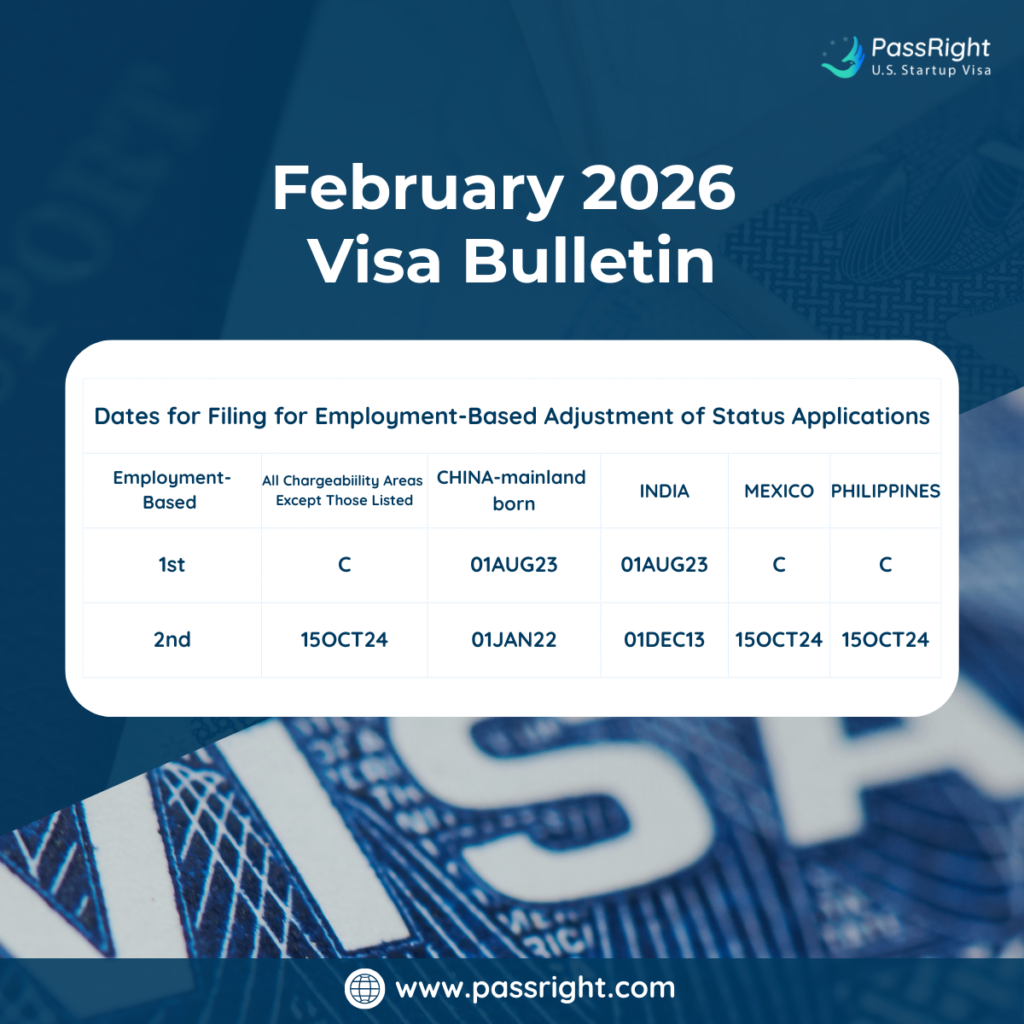
For EB-1, it’s still mostly current for most countries. Good for you if you’re there. But that’s the top tier. Everyone else? Buckle up. EB-2 for China? Still deep in the weeds. India? Don’t even ask. August 2026 ain’t changing that overnight.
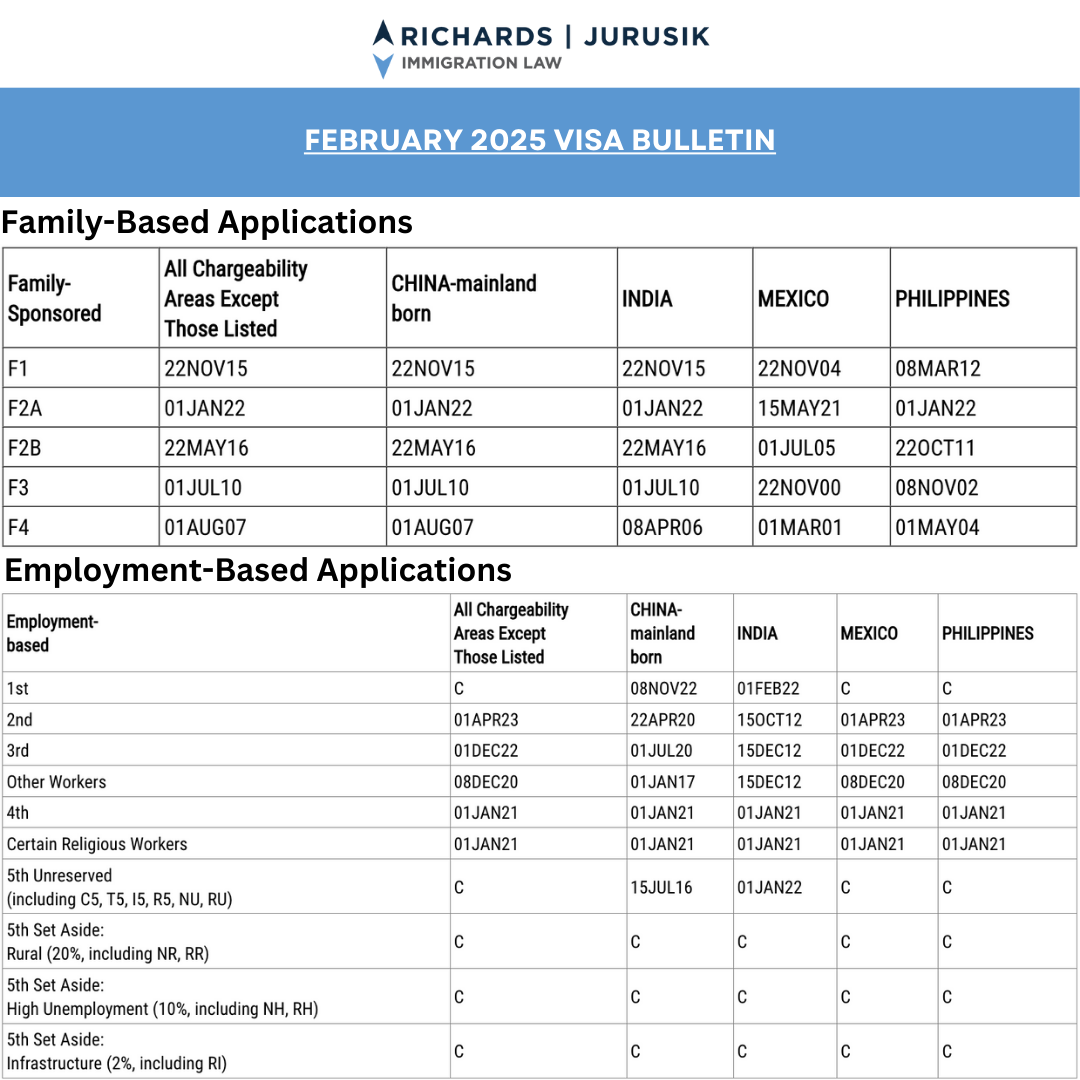
EB-3? It’s a mixed bag. Some categories creep forward a month, maybe two. Then get stuck again. It’s designed to give you just enough hope to keep you hooked. Like a bad drug.
Dates for Filing: The Illusion of Speed
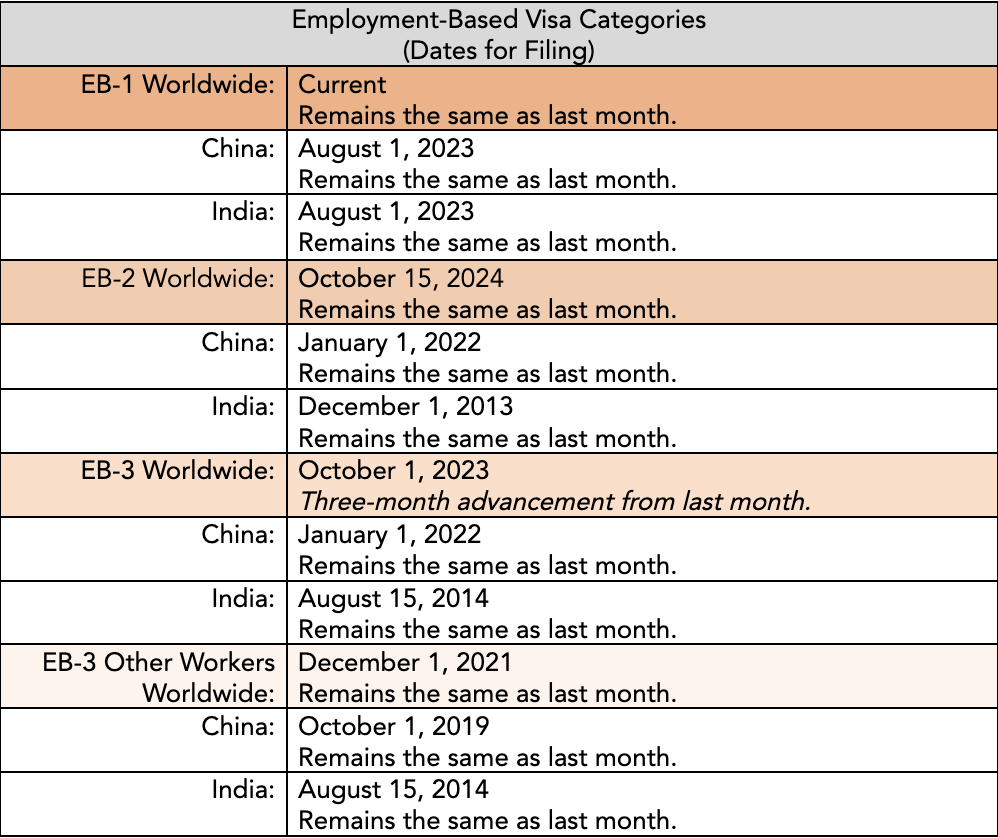
Then you’ve got the ‘Dates for Filing’. This is the ‘maybe you can submit your paperwork now’ date. It sounds promising, right? Wrong. It’s a cruel trick. You can file your adjustment of status, throw your application into the black hole. But approval? That’s still tied to the Final Action Dates. So you’re spending money, filling out forms, getting medicals done, all based on a promise that’s years away.
The USCIS plays games with this. One month they say ‘use Dates for Filing.’ The next, they revert to ‘Final Action Dates.’ It’s chaos. It’s meant to be confusing. Keeps the lawyers busy, I guess. And the applicants stressed out of their minds.
This August 2026 bulletin shows the same old story. Dates for Filing might be slightly ahead for some. But it’s a mirage. A ghost of a chance. The real bottleneck? It’s the Final Action Dates. Always has been.
EB Categories: Where the Pain Is Worst
EB-1: Honestly, if you’re EB-1, you’re probably okay. Mostly current for most countries. It’s the privileged few. But even here, watch out for backlogs. Especially if you’re from a high-demand country that isn’t the usual suspect.

EB-2: This is where it gets ugly. China? Still buried. India? A nightmare. We’re talking years. The Visa Bulletin August 2026 shows tiny, incremental shifts, if any. It’s like watching tectonic plates move. Except the plates are people’s lives.
EB-3: Skilled workers, professionals. They get the scraps. Dates crawl. Sometimes they jump, then fall back. The promised land of a green card feels further away with every bulletin. Professionals, a category that should be booming, is stuck in quicksand.
EB-5: The investor visa. It’s a whole other beast. Sometimes it moves, sometimes it slams shut. Dependent on Congress not screwing it up. Which, let’s be real, is a long shot.
Country Caps: The Unfairness Engine
The per-country limits are the real killer. They don’t care if you’re a genius or a Nobel laureate. If you’re from India or China, you’re hit with a secondary queue. A queue within a queue. It’s arbitrary. It punishes people for where they were born. It’s fundamentally unfair. It guts the system of the talent it supposedly wants to attract.
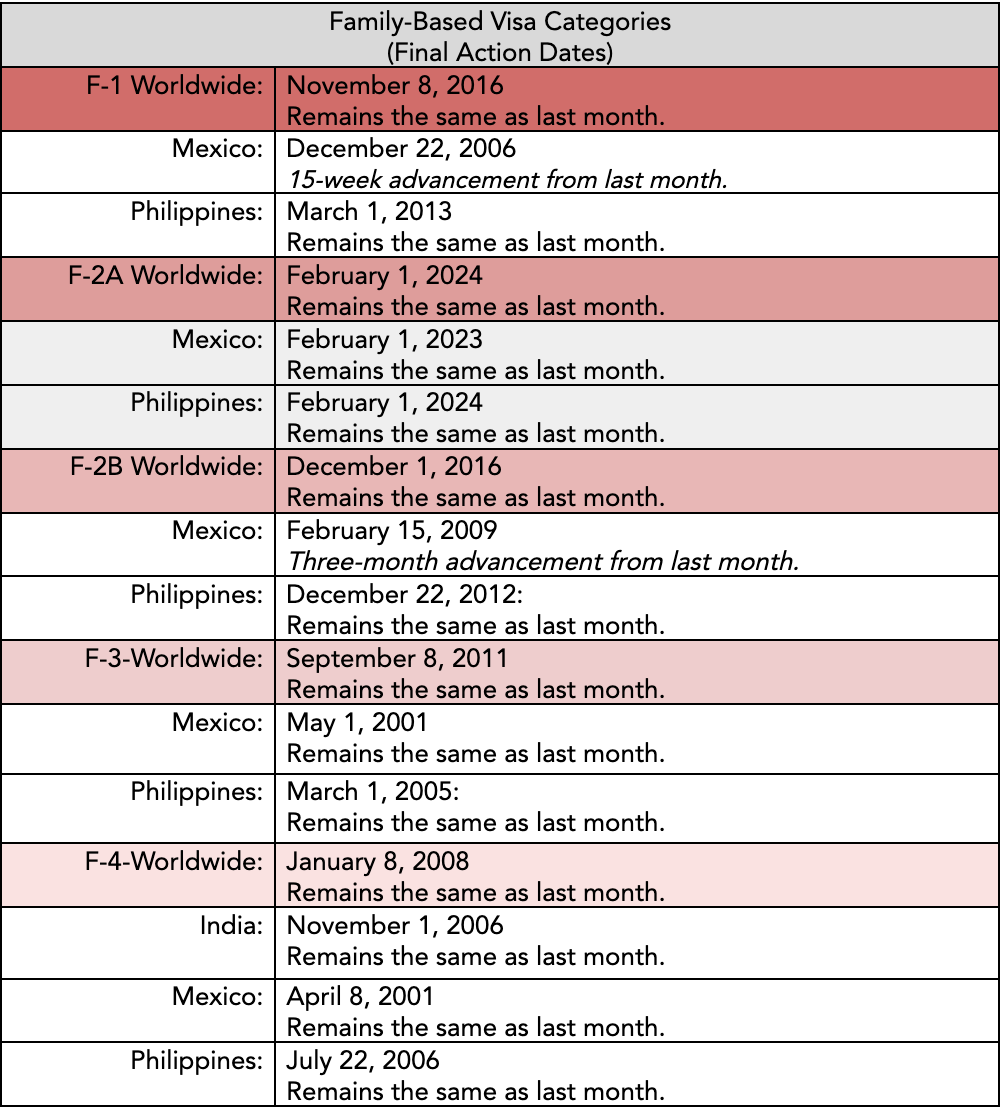
The Visa Bulletin August 2026 highlights this starkly. While a Mexican EB-2 applicant might see progress, an Indian EB-2 applicant waits. And waits. And waits. It makes zero sense. We need talent, not geographical lotteries.
To be fair, the per-country caps are a legislative thing. But the State Department manages the numbers. And they do it with a system that seems designed to keep things slow. Maximum frustration, minimum movement.
The Numbers Game: What Does It All Mean?
Let’s look at the numbers. They’re not pretty. The State Department releases these charts, full of dates. Dates that dictate your future. Here’s a taste of what August 2026 looks like for some key categories. Remember, these are just snapshots. They change. Usually not for the better.
Employment-Based Second Preference (EB-2)
This is for advanced degrees or exceptional ability. It’s supposed to attract top talent. Look at the dates:
| Country | Priority Date |
|---|---|
| All Chargeability Areas Except India & China | 01JAN2023 |
| China | 15MAR2019 |
| India | 01JUN2014 |
See that? India is stuck way back. China is better, but still years behind. Everyone else gets a decent shot. It’s the system’s inherent bias laid bare. For anyone applying from India, the August 2026 bulletin offers little comfort. It’s a stark reminder of the long haul.
Employment-Based Third Preference (EB-3)
For professionals, skilled workers. What the economy needs. Or so they say.
| Country | Priority Date |
|---|---|
| All Chargeability Areas Except India & China | 01FEB2024 |
| China | 01AUG2022 |
| India | 15MAY2021 |
Again, India is lagging significantly. China is doing better, but still behind the rest of the world. The EB-3 category, meant to fill labor needs, becomes a test of patience. Especially for those from the most populous countries. The Visa Bulletin August 2026 confirms this trend. No surprises here, unfortunately.
The USCIS Shuffle
USCIS. They handle the green card applications once the State Department says it’s time. They’re supposed to adjudicate. But they’re drowning. Drowning in applications, drowning in backlogs. They’ve got their own set of charts, their own rules. It’s a bureaucratic nightmare.
Sometimes they honor the ‘Dates for Filing’. Sometimes they don’t. It depends on their workload, their internal directives. It’s a guessing game. You submit your I-485 application based on what the bulletin says, but will USCIS accept it? Will they process it in your lifetime? Who knows.
My first adjustment of status case? Back in the day, it felt simpler. Now? It’s a labyrinth. You need a map, a guide, and a therapist. The Visa Bulletin August 2026 is just another page in that convoluted manual.
What Does This Mean for YOU?
If you’re waiting, you know the drill. Check the bulletin. See if your priority date is current. If it is, great. If not, wait. And wait some more. You’re in the system. You’ve paid your dues. Now you just… exist. In a state of perpetual anticipation.
For those just starting, the advice is grim. Get your priority date ASAP. Understand that ‘ASAP’ in the immigration world means ‘yesterday’. And even then, you’re looking at years. The Visa Bulletin August 2026 is a reality check. Don’t expect miracles.
The thing is, the demand for green cards consistently outstrips the supply. Congress sets the aual limits. And they haven’t adjusted them meaningfully in decades. Decades! While the population grows, technology advances, and the world changes. But the immigration numbers? Stuck in time. Like a bad 80s perm.
The Bottom Line: No Quick Fix
So, the Visa Bulletin for August 2026. It’s a document of frustration. A testament to a broken system. It reflects years of neglect, of policy failures, of political inaction. There’s no magic bullet here. No easy answer. Just more waiting.
My advice? Stay informed. Work with a competent immigration attorney – if you can afford one. And manage your expectations. Hope for the best, but prepare for the long haul. This isn’t a sprint; it’s a marathon. A brutal, unfair marathon.
We need systemic reform. Not just tweaks. Not just minor date movements. We need a system that reflects the needs of the country and the aspirations of the people who want to contribute to it. Until then, the August 2026 Visa Bulletin is just another signpost on the road to nowhere fast.
Frequently Asked Questions
What is a priority date?
Your priority date is the date your immigrant visa case was filed with the U.S. government. For employment-based cases, it’s usually the date the labor certification was filed or the date the I-140 petition was filed if no labor certification was required. For family-based cases, it’s generally the date the I-130 petition was filed. This date determines your place in line.
When does the Visa Bulletin typically come out?
The Visa Bulletin is generally released by the U.S. Department of State around the middle of the month preceding the month it covers. For example, the August 2026 bulletin would typically be released in mid-July 2026. It’s important to check the official website as release dates can sometimes shift.
What’s the difference between ‘Final Action Dates’ and ‘Dates for Filing’?
The ‘Final Action Dates’ indicate when immigrant visas are actually available for issuance. This is the date your case can be approved if all other requirements are met and your priority date is current. The ‘Dates for Filing’ indicate when you may be able to submit your application to adjust your status (Form I-485) to the U.S. Citizenship and Immigration Services (USCIS), provided USCIS is accepting filings based on those dates for that month. Filing based on ‘Dates for Filing’ doesn’t guarantee immediate approval, as that still hinges on the ‘Final Action Dates’.
Why are the dates so far out for certain countries like India and China?
The U.S. immigration system has aual per-country limits on immigrant visas. Demand from countries with large populations, like India and China, far exceeds the number of visas allocated each year under these caps. This creates significant backlogs, pushing priority dates much further into the future for applicants from these regions compared to those from countries with lower demand.
Can the Visa Bulletin dates change retroactively?
While the bulletin is issued monthly, the dates can sometimes move backward (retrogress) from one month to the next, especially if demand is higher than anticipated or if visa numbers are used up faster than projected. This is a common source of frustration for applicants. The August 2026 bulletin reflects the anticipated availability for that month, but future bulletins could adjust these dates.
0 Response to "Visa Bulletin August 2026"
Post a Comment